What to Do When Delivered Flowers Trigger an Allergy
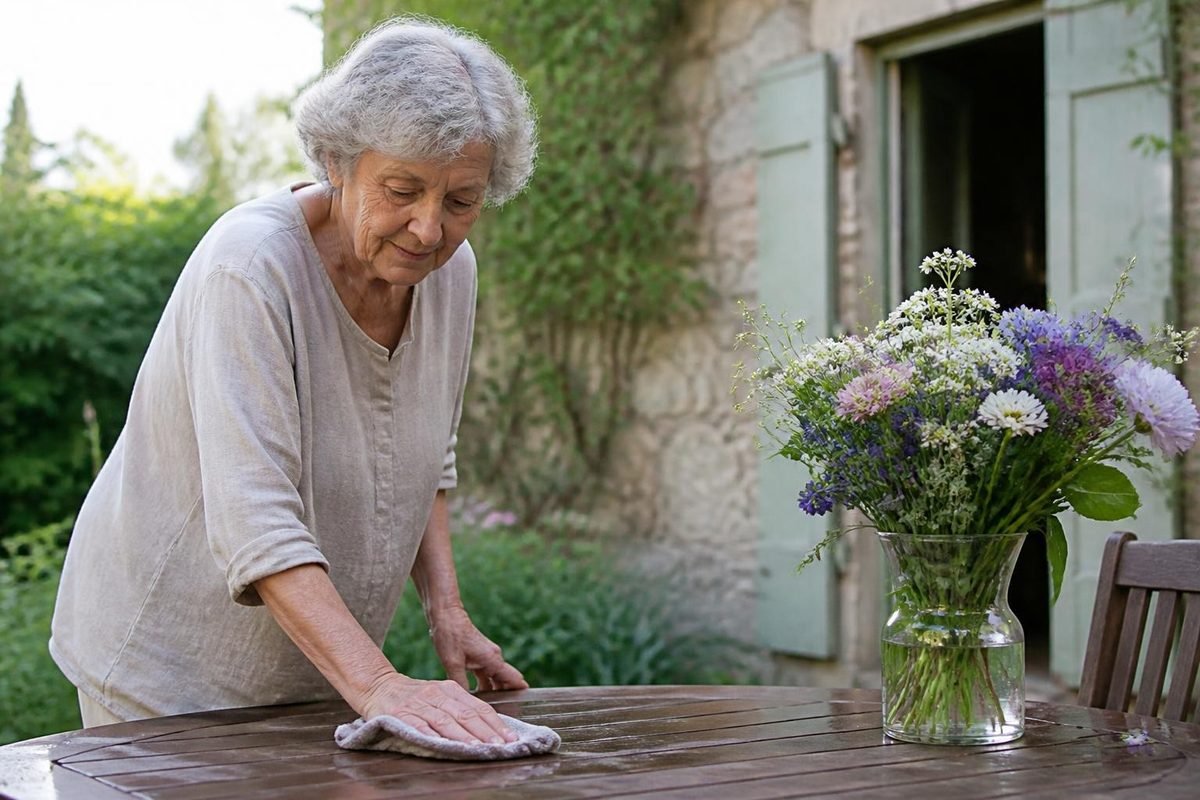
If delivered flowers seem to trigger an allergy, move away from them and have someone else remove them from your living space. Seek urgent help for trouble breathing, throat swelling, faintness, or other signs of a severe reaction.
Check for urgent symptoms
Call emergency services immediately if you have trouble breathing, swelling of the tongue or throat, severe dizziness, or fainting. A severe allergic reaction can develop quickly and needs emergency treatment.
If you have been prescribed an epinephrine auto injector for a severe allergic reaction, use it as directed and call emergency services. Do not wait to see if symptoms settle before calling.
Remove the flowers and reduce exposure
If symptoms are mild, such as sneezing, itchy eyes, or a runny nose, follow these steps to limit further contact with the arrangement.
- Move away from the flowers. Ask someone without symptoms to take them outside or to another suitable place.
- Avoid touching the blooms or shaking the bouquet, which can spread pollen and plant material.
- Wash your hands and any skin that touched the flowers with soap and water. Avoid rubbing your eyes.
- Wipe the surface where the arrangement stood with a damp cloth. Clean up any fallen leaves, petals, or pollen.
- Change clothes if pollen or plant material has settled on them, and wash the clothes.
Manage mild symptoms
A pharmacist can advise whether an antihistamine is appropriate for you and explain how to use it. Tell the pharmacist about other medicines you take and any health conditions. Also mention if you are pregnant or breastfeeding.
If your eyes are irritated, do not rub them. You can gently rinse them with clean water. If symptoms persist, get worse, or keep returning, contact a healthcare professional. Mild symptoms can have several causes, so do not assume the flowers are responsible without further assessment.
Consider what caused the reaction
Pollen is one possible trigger, but flowers are not the only thing in a delivery that might cause irritation. Fragrance, plant sap, foliage, packaging, or other materials may also be involved. A strong scent can irritate some people without causing an allergic reaction.
If you can do so without handling the arrangement, note the types of flowers and foliage, the time symptoms started, and what happened after the flowers were removed. This information may help a healthcare professional assess the reaction. Do not test a suspected trigger by deliberately exposing yourself again.
Plan future flower gifts
Tell the sender that the arrangement appeared to cause symptoms and that you needed to remove it. If you want flowers in the future, share any confirmed allergies or sensitivities before another delivery is arranged.
No flower is guaranteed to be safe for every person. An allergist can help identify specific triggers and discuss practical ways to avoid them.
Keep the focus on your symptoms and safety. If you are unsure how serious a reaction is, seek medical advice promptly.
Take a look at full guide
Corrections
Spot something wrong? Send it to the desk and it gets fixed in the open.